
School of Life Sciences
Applying to Study
Undergraduate Study
- Biochemistry
- Biological Sciences
- Biomedical Science
- Neuroscience
10 reasons to study at Warwick
Open days, visits and live chats
Postgraduate Study
£1.5m donation drives UK-Japan collaboration in antimicrobial research
A £1.5 million donation will drive joint research into antimicrobial resistance (AMR) by scientists in the UK and Japan.
Antimicrobial resistance poses a huge problem in healthcare, risking modern medicine becoming ineffective. This could lead to common infections becoming deadly illnesses. Now, thanks to visionary philanthropy from The Great Britain Sasakawa Foundation, which encourages innovative research between Japan and the UK, and The Sir Howard Dalton Centre at The University of Warwick, the research can progress at pace.
Press Release (6 March 2024)
University Open Days
The University hosts a number of Open Days. During these Open Days we present course information and run live demonstrations illustrating some of the School's research. You will be able to join a tour around Life Sciences, which includes a visit to our labs, and attend a talk covering study with us and detail on our degrees. There will be members of staff and student ambassadors on hand to answer questions.
The School of Life Sciences has been recognised for its commitment to Athena SWAN in the achievement of a Silver Award in 2018.
As of 2021, we transformed into the Equality, Diversity and Inclusion Committee (EDIC). While maintaining our core Athena Swan activities, we have widened our scope to take care of numerous aspects that are decisive for an inclusive and productive learning and teaching environment at SLS.
Impact
We aim to make a positive contribution to the health and welfare of others.
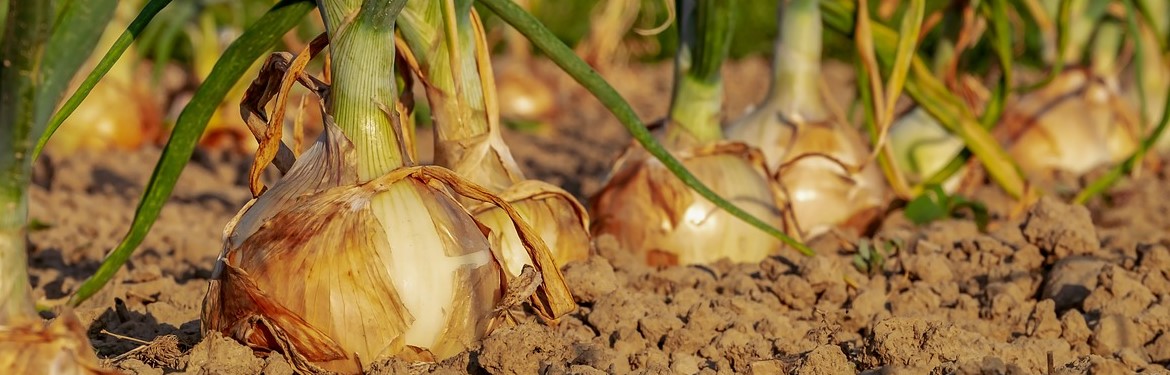
Case Study: The Warwick Crop Centre - Improving the sustainability of vegetable production.
90% of research in the School of Life Sciences was rated as 'world leading' or 'internationally excellent' in REF2021