
Research in Life Sciences
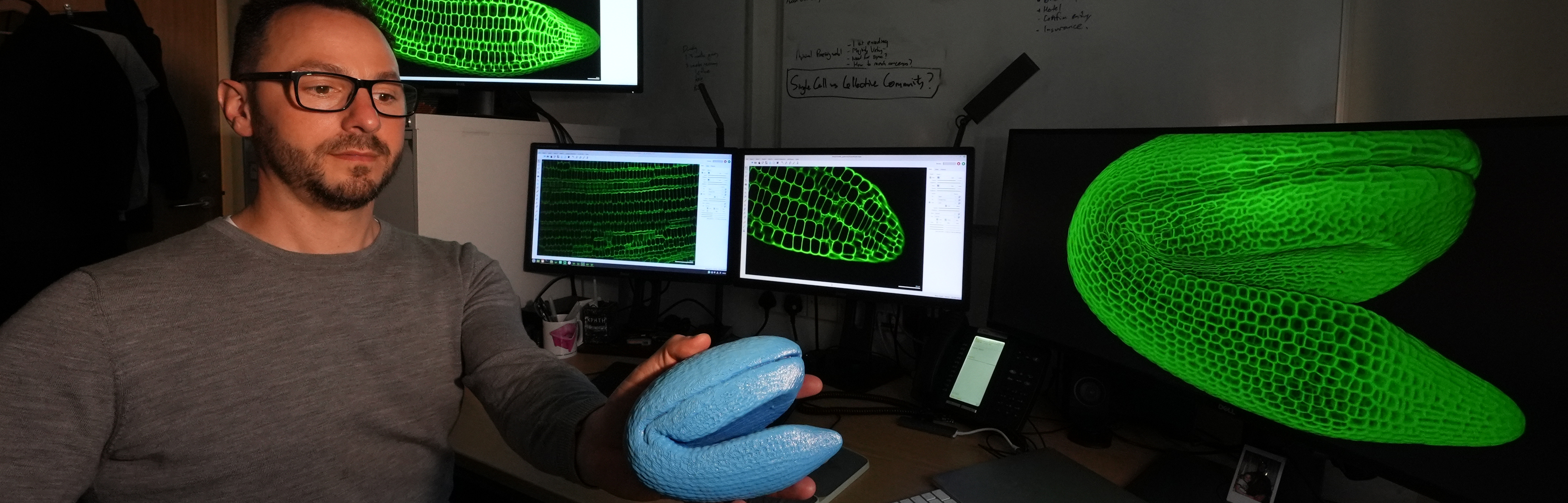
Our Research
Our highly innovative bioscience research works with interdisciplinary research centres allowing us to investigate solutions to major global challenges.

With 90% of our work rated as 'internationally excellent' or 'world-leading', the School of Life Sciences is a dynamic and growing place for biological sciences research.
Professor Miriam Gifford
Head of School
Culture of excellence
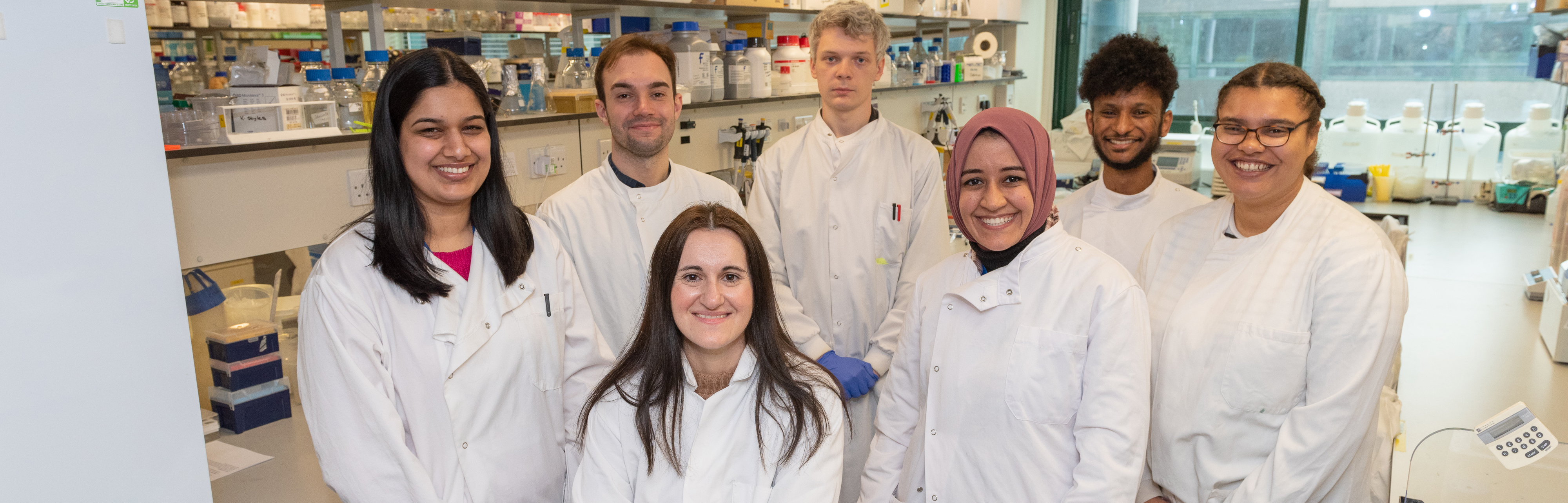
We are committed to ensuring an open, inclusive, and supportive environment where everyone can achieve their goals. We've built a strong community at all staff levels and in which research and teaching are well integrated, everyone is valued, research excellence is fostered, interdisciplinarity is facilitated and impact is nourished.
We achieved Athena SWAN Silver in 2018.
Academic outputs
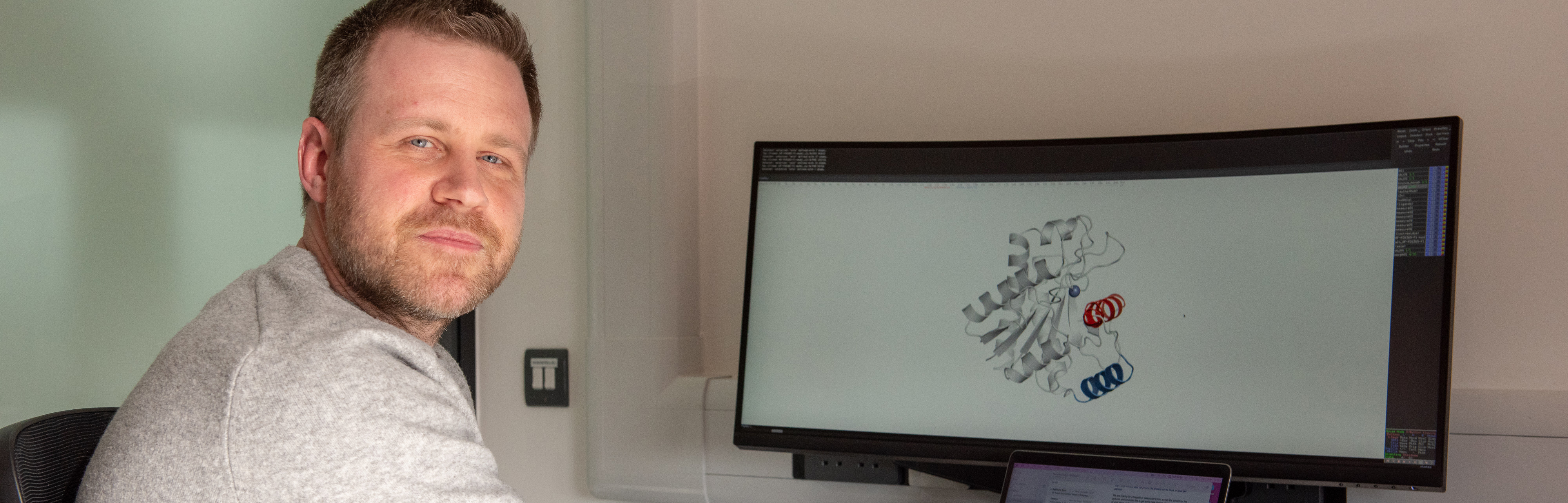
Making a difference: our outputs are diverse leading to new insights across the biological sciences, including medicine, the bioeconomy, the environment and agriculture.

Research with Impact
We aim to make a positive contribution to the health and welfare of others. Our research improves crops, creates new drugs and protects animals. At Warwick, our research impacts everything from microbes to entire ecosystems.

Looking to the future
THE WAY AHEAD for genetic improvement of vegetable crops - see interview with Professor John Walsh
THE WAY AHEAD for detecting dangerous bacteria is electrical stimulation - see interview with Dr Munehiro Asally
THE WAY AHEAD is managing pests effectively with minimal environmental impact - see interview with Professor Rosemary Collier
Supporting research careers
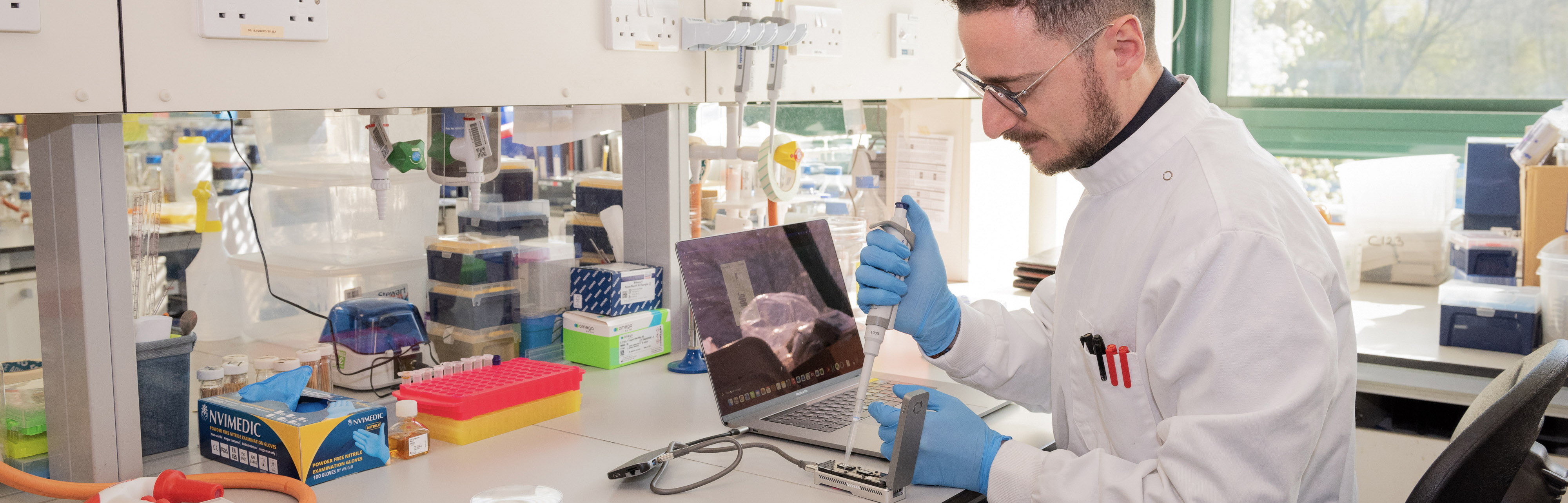
Our research excellence is underpinned by our people, and we strive to create a research environment rich in innovation, scholarship and diversity.
As the School continues to grow, we offer a vibrant and supportive environment for our early career researchers to establish their independent careers.
Infrastructure investment
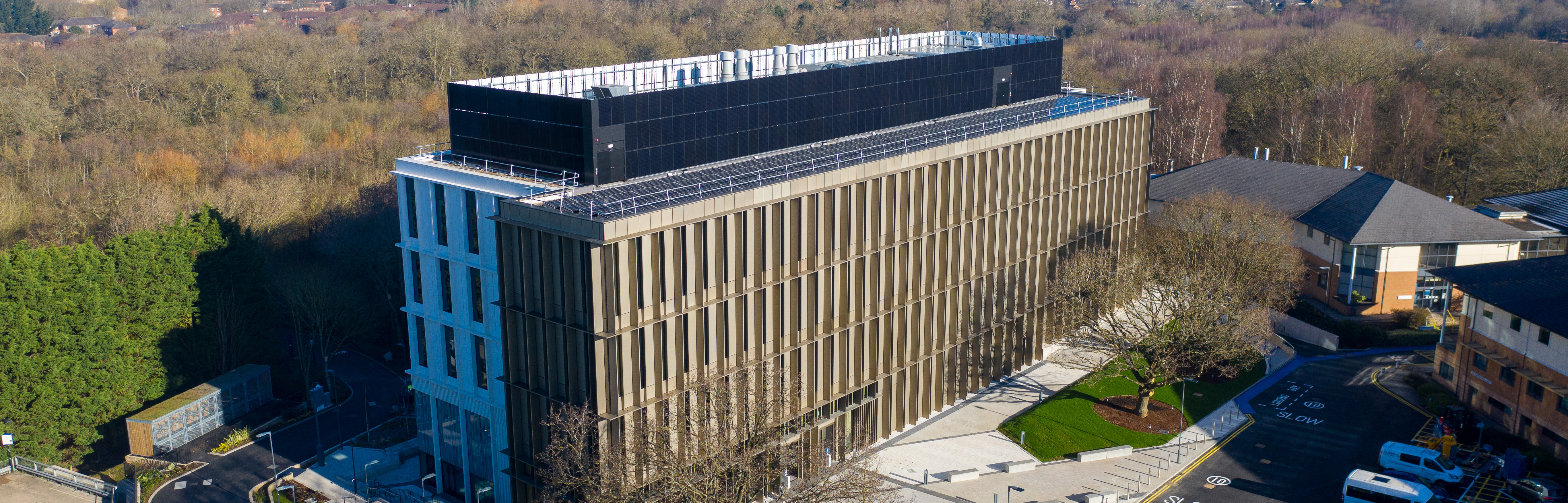
Our new, £54M state-of-the-art Interdisciplinary Biomedical Research Building (IBR) facilitates strategic, collaborative working between SLS and Warwick Medical School (WMS) providing premium research space to grow our world-leading STEMM research and innovate in the strategic areas of neurobiology, infection biology and cell and tissue models for disease.

Research technologies and expertise
The School’s research strategy is enabled by our excellent research technologies and we provide researchers with core technical, IT and laboratory support facilities as well as supported specialist facilities such as our genomics centre, imaging suite, horticulture services, and the new Elizabeth Creak Horticulture Technology Centre.